Tips

Getting to know updated iOS Tips and Tricks?

Now it all in your hand find and see in this blog.This theme is edited by Kosal Laim - appletips4all.blogspot.com

Don't know how to Jailbreak your devices?

You all will learn how to jailbreak and get updated info for you devices.This theme is edited by Kosal Laim - appletips4all.blogspot.com

Want to know about Jailbreak news and tweaks?

Everything in here that why most of people waiting and looking for it.This theme is edited by Kosal Laim - appletips4all.blogspot.com

Find out about iPhone and iPad news?

This blog is your best choice to know everyting about apple products.This theme is edited by Kosal Laim - appletips4all.blogspot.com

Finding new tips for your health care?

Please go to Health Care tips page to get new things for health tips, exercises, foods and beverage.This theme is edited by Kosal Laim - appletips4all.blogspot.com

Friday, May 27, 2016

How to Add Empty Spaces to Your iPhone Home Screen Without Jailbreaking

iPhone home screen with blank space
Don’t you wish you could put your iPhone’s home screen icons anywhere — just like you can on Android? Well, now it’s possible, and you don’t need to jailbreak your device or install third-party tweaks. Here’s what to do.
This is made possible using a neat trick which creates home screen icons that blend seamlessly into your iPhone’s wallpaper. So, technically, you’re not creating free space, but you are adding icons that are almost invisible when placed in the correct spot on your home screen.
To make this possible, we’re going to use an online tool dubbed iEmpty. Here are the steps you need to follow:
  1. Tap and hold an icon on your home screen to make your icons wiggle, then swipe to the left until you get to a blank page
  2. Take a screenshot of this page
  3. Visit iempty.tooliphone.net in Safari on your iPhone
  4. Tap “Customize,” then tap “CUSTOM Mode”
  5. Tap “Add,” then tap the “Choose File” button
  6. Tap “Photo Library,” then select the screenshot you just created
  7. Tap “Upload Photo”
  8. You will now be greeted by a home screen with a bunch of icons; you need to tap the positions that you want to turn invisible on your home screen. For instance, if you want to create space in the top left corner, tap “1 x 1.” For bottom right, choose “6 x 4.”
  9. Once you’ve selected a position, you will be presented with a custom icon. Now tap the Share button, then select “Add to Home Screen”
  10. Tap “Add” without making any changes
  11. Repeat this process for all the blank icons you require
  12. Now return to your home screen and move the new icons into the correct positions on the home screen, and they will appear invisible, creating what looks like a blank space
Check out the video here from iDownloadBlog for a walkthrough, which shows just how neat this trick is.
Because this trick uses specially-created icons, rather than just bugs in iOS, nothing will change when you restart your iPhone; the blank spaces you’ve created will remain, and your home screen will look exactly the same as it did before your iPhone was switched off.

iPhone 7 Plus Again Rumored to Feature Smart Connector in Leaked Schematics

iPhone 7 schematic
The iPhone 7 Plus, along with the iPhone 7, is still a few months out, at least, but the Rumor Mill simply refuses to give up on some things.
That includes the idea that the iPhone 7 Plus could boast not only a dual-camera setup on the back, but also a Smart Connector. This is something that won’t go away. In the case of the dual-camera system, that’s practically a foregone conclusion at this point, with leaked parts, molds, schematics, and just about everything else excluding an announcement from Apple all pointing to its eventual reveal.
The Smart Connector part, on the other hand, doesn’t appear to be such a steadfast bullet point on the specifications sheet just yet. Just three days ago we saw a mold of the iPhone 7 Plus, along with printed schematics, that showed the bigger, 5.5-inch iPhone won’t feature a Smart Connector near its bottom edge. And then earlier in May we saw schematics for both unannounced devices, again showing that the Smart Connector would be on board.
Even back to the end of April, where leaked documentation showed the Smart Connector would indeed be present.
Now, despite the fact that the leaked mold earlier this week showed no pin holes for a Smart Connector, here we are again with another leaked schematic for both the iPhone 7 and iPhone 7 Plus. And, you guessed it, the Smart Connector has made a return. These new documents were initially published by LetemSvetemApplem, and there are certainly some curious elements to them.
The iPhone 7 will apparently be thicker by 0.1mm from the iPhone 6s, at 7.1mm. It’ll actually probably be impossible for anyone to notice that difference, and the only real reason to point it out is because it would appear that Apple is no longer going out of its way to make ridiculously thinner and thinner phones. The iPhone 7 Plus is going to be 7.3mm, the same as the iPhone 6s Plus.
The camera bump is back on the iPhone 7, too, for those hoping that wouldn’t be the case. The iPhone 7 is rumored to feature optical image stabilization, which might balance out the scales there for some potential buyers.
iPhone 7 Plus schematic
Another thing the schematics suggest is that the iPhone 7 Plus, and not the iPhone 7, will feature an edge-to-edge display, and boast a front-facing camera that will apparently be embedded — as there’s no top (or bottom!) bezels. Those features are indeed rumored for a future iPhone, but not until the iPhone 8 is expected to land in 2017.
Finally, the Smart Connector is indeed back in play on the back of the iPhone 7 Plus. The initial report suggests Apple is planning on introducing wireless charging, in some capacity, with the iPhone 7 Plus and that particular accessory, which makes perfect sense.
With the more interesting aspects here, like the edge-to-edge display for the bigger device, there’s an obvious portion of skepticism to be raised, so keep that salt shaker handy.
If they are true, though, are you excited for the iPhone 7 or iPhone 7 Plus at all?
Subscribe by email so you don't miss the latest iPhone 7 news, rumors and leaks.

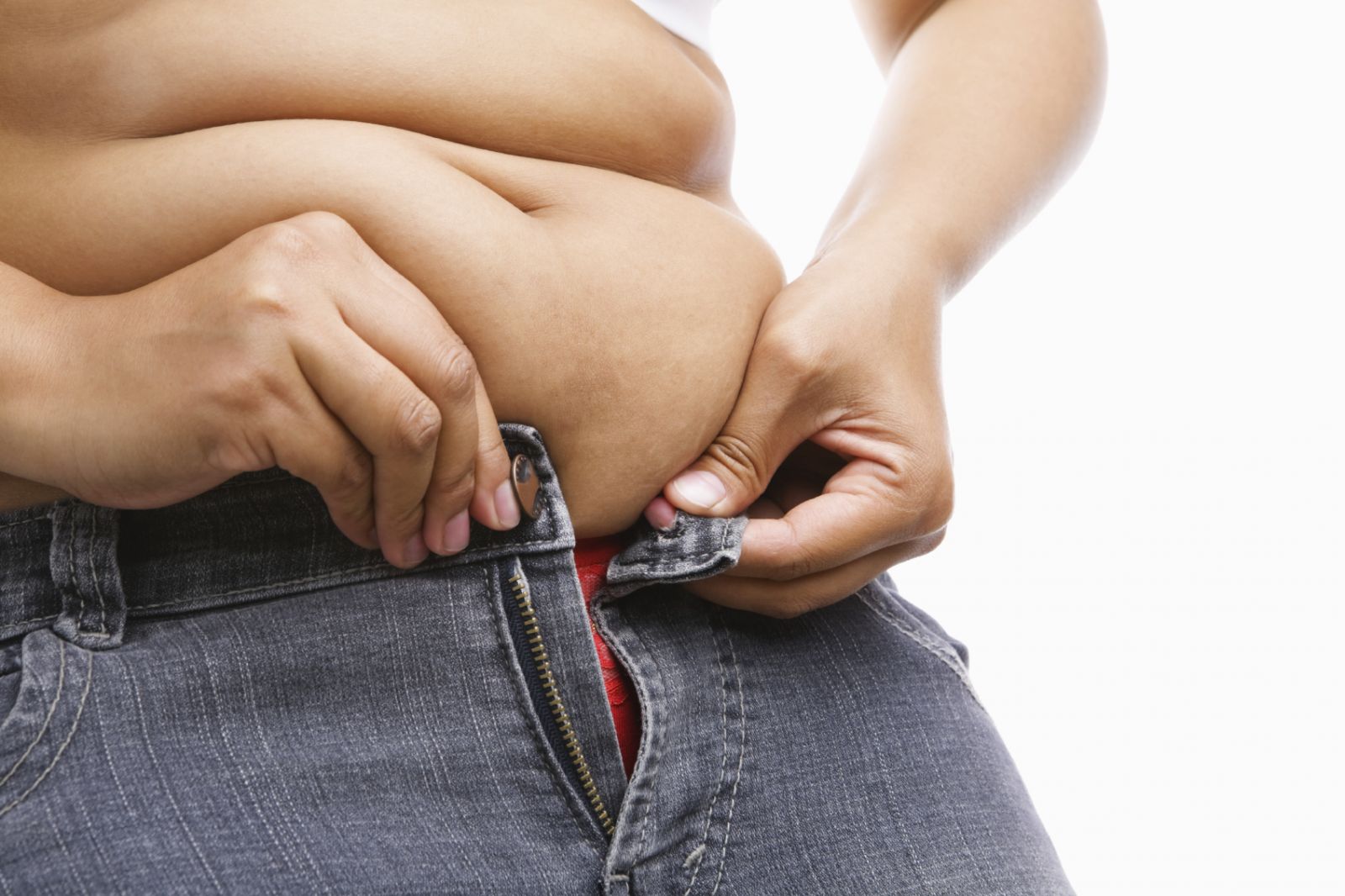
Belly fat boosts risk of dying of heart disease

Research we’re watching

Even if you’re not overweight, having a large belly raises your risk of dying of heart disease, a new study suggests.
To explore factors linked to early death, researchers relied on body measurements and other health information gleaned from more than 15,000 adults who took part in a national health survey. The average follow-up period was 14 years.
They found that normal-weight people with a “spare tire” (known as central or abdominal obesity) had a higher risk of dying of heart disease or any other cause compared with people without central obesity, regardless of whether they were normal weight, overweight, or obese. The results, published in the Dec. 15, 2015, Annals of Internal Medicine, suggest that people with central obesity—even if they’re not overweight—may benefit from lifestyle changes to prevent heart disease, such as exercise and eating a healthy, plant-based diet.
Central obesity is defined as having a waist-to-hip ratio of greater than 1.0 for men or greater than 0.9 for women. To calculate yours, measure around your waist (just above your belly button) and your hips (around the widest part of your buttocks) and divide the first number by the second.

Diet & Weight Loss


A healthy weight is an important element of good health. How much you eat—and what you eat—play central roles in maintaining a healthy weight or losing weight. Exercise is the other key actor.
For years, low-fat diets were thought to be the best way to lose weight. A growing body of evidence shows that low-fat diets often don't work, in part because these diets often replace fat with easily digested carbohydrates.
Hundreds of diets have been created, many promising fast and permanent weight loss. Remember the cabbage soup diet? The grapefruit diet? How about the Hollywood 48 Hour Miracle diet, the caveman diet, the Subway diet, the apple cider vinegar diet, and a host of forgettable celebrity diets?
The truth is, almost any diet will work if it helps you take in fewer calories. Diets do this in two main ways:
  • getting you to eat certain "good" foods and/or avoid "bad" ones
  • changing how you behave and the ways you think or feel about food
The best diet for losing weight is one that is good for all parts of your body, from your brain to your toes, and not just for your waistline. It is also one you can live with for a long time. In other words, a diet that offers plenty of good tasting and healthy choices, banishes few foods, and doesn't require an extensive and expensive list of groceries or supplements.
One diet that fills the bill is a Mediterranean-type diet. Such a diet—and there are many variations—usually includes:
  • several servings of fruits and vegetables a day
  • whole-grain breads and cereals
  • healthy fats from nuts, seeds, and olive oil
  • lean protein from poultry, fish, and beans
  • limited amounts of red meat
  • moderate wine consumption with meals (no more than two glasses a day for men; no more than one a day for women
A Mediterranean-style diet is a flexible eating pattern. People who follow such diets tend to have lower rates of heart disease, diabetes, dementia, and other chronic conditions.

Coffee: Love it or leave it?

A few cups may be good for you; too many may be harmful. What’s a java lover to do?

coffee-love-it-leave-it-caffiene

Coffee is part of many people’s daily routine, whether it’s the morning pick-me-up or the evening complement to a satisfying dinner. And it’s no wonder: a hot cup of brew is comforting and flavorful. Even better, new evidence continues to associate coffee with health benefits, such as a reduced risk of an early death, as we reported to you in February 2016.
“Our understanding of coffee is evolving. We’re learning more about it all the time,” says Dr. Eric Rimm, a professor of epidemiology and nutrition at the Harvard T.H. Chan School of Public Health.

The benefits

Coffee comes from the seeds (or beans) of cherries that grow on the coffee tree. When you pour hot water over dried, roasted, ground coffee beans, you get the savory brown brew that so many people—54% of those 18 and older in the United States—drink daily.
The little beans aren’t just tasty; they have small amounts of magnesium, potassium, and niacin. They contain caffeine, which can reduce fatigue and improve alertness and concentration. Best of all, they are loaded with potent compounds such as chlorogenic acid and polyphenols, which have antioxidant properties that help prevent damage to your cells.
Dr. Rimm and his colleagues believe the combination of these compounds may delay the absorption of blood sugar, help cells draw sugar from the blood, increase metabolic rate, and help blood vessels contract and relax. Those actions, they suspect, account for why coffee is associated with lower blood pressure, slower rate of weight gain with age, and reduced risks for developing type 2 diabetes or dying from cardiovascular disease or neurological diseases. “Where we clearly see the greatest benefit is in the realm of diabetes and obesity,” says Dr. Rimm.

The risks

Dr. Rimm says health benefits are associated with an intake of one to five cups of coffee per day, and for many health conditions, it doesn’t matter much if the coffee has caffeine or not. However, in some people, too much caffeine—more than 300 milligrams per day—may lead to insomnia, nervousness, heart palpitations, and the jitters. Caffeine taken in after noontime is particularly likely to interfere with sleep. “If you’re drinking coffee and getting less sleep every night, you may be putting yourself at risk for developing other chronic conditions over the long term,” says Dr. Rimm. Too much caffeine may also raise blood pressure. The negative effects of caffeine go away when you stop consuming it.
Coffee’s other risks are oily substances called diterpenes, such as cafestol and kahweol. They make it into your cup if you don’t use a coffee filter (see “French press coffee”). “Five to eight cups a day of unfiltered coffee may actually raise your ‘bad’ LDL cholesterol,” says Dr. Rimm. If you must drink unfiltered coffee, Dr. Rimm recommends keeping an eye on your LDL cholesterol levels, in case they start to rise.

What you should do

The biggest risks of coffee come from what you may add to it: cream, sugar, or sugary syrup. These add saturated fat and empty calories to your diet, boost your blood sugar, and promote weight gain. So be careful about what you put into your cup.
Finally, keep your coffee habit in check: stick to no more than five cups per day to keep your coffee intake at a safe level. And if coffee isn’t already part of your daily routine, don’t worry about starting a love affair with the drink; there are plenty of other ways to stay healthy.

French press coffee: All the rage, but is it different?

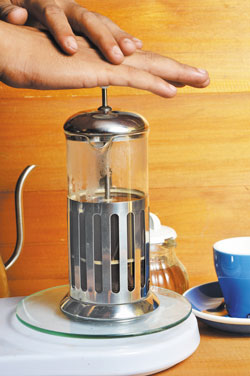
french coffee press

If your friends are showing off their French press coffeemakers, it’s because pressed coffee, long popular in Europe and other countries, has now become fashionable in the United States. You make pressed coffee by mixing boiling water and coarsely ground coffee beans in a small pitcher, letting it steep for a few minutes, and then pressing a mesh plunger from the top of the pitcher to the bottom to strain the liquid and trap the coffee grounds.
Devotees say this type of coffee is more flavorful than coffee that’s filtered in an automatic drip coffeemaker. But is it healthier for you? “We don’t know; it’s never been studied that carefully, and it likely depends on the beans and the roasting process,” says Dr. Rimm. What we do know is that too much unfiltered coffee may raise “bad” LDL cholesterol, apparently because it contains certain harmful compounds that would otherwise be trapped by a filter.
Best advice: Enjoy the trend, but limit intake to four cups per day.

Drink more water to cut calories, fat, and sugar?

drink more water hydration
A study published online Feb. 22, 2016, by the Journal of Human Nutrition and Dietetics examined the dietary habits of more than 18,000 adults and found that those who increased their daily intake of plain water reduced their total daily calorie intake as well as their consumption of saturated fat, sugar, sodium, and cholesterol.
On average, people drank about 4.2 cups of plain water daily, which accounted for about 30% of their total water consumption. The rest came from beverages like coffee, tea, and juice, and from food.
Participants’ average calorie intake was 2,157 calories, but 125 calories came from sugar-sweetened beverages and 432 calories from foods like desserts, pastries, and snacks. Yet those who increased their water intake by one, two, or three cups daily lowered their total daily calorie intake by 68 to 205 calories and their sodium intake by 78 to 235 milligrams (mg), according to the researchers. They also consumed 5 to 16 fewer grams of sugar and decreased their cholesterol intake by 7 to 21 mg. The changes were greatest among men.
The extra water appears to help in several ways, says researcher Dr. Ruopeng An of the University of Illinois. “Water helps increase feelings of satiety, which can help avoid overeating, as well as replace high-calorie beverages that have added sugar.” There are many ways to drink more water during the day, he adds. For instance, have a glass after every bathroom trip, when you wake up each morning, and with every meal.

Healthy Eating

A healthy diet helps pave the way to a healthy heart and blood vessels, strong bones and muscles, a sharp mind, and so much more.
Confused about what constitutes a healthy diet? You aren't alone. Over the years, what seemed to be flip flops from medical research combined with the flood of diet books and diet plans based on little or no science have muddied the water. But a consensus has emerged about the basics, which are really pretty simple.
An important take-home message is to focus on the types of foods you eat and your overall dietary pattern, instead of on individual nutrients such as fat, dietary cholesterol, or specific vitamins. There are no single nutrients or vitamins that can make you healthy. Instead, there is a short list of key food types that together can dramatically reduce your risk for heart disease.
Eat more of these foods: fruits and vegetables, whole grains, fish and seafood, vegetable oils, beans, nuts, and seeds.
Eat less of these foods: whole milk and other full-fat dairy foods, red meat, processed meats, highly refined and processed grains and sugars, and sugary drinks